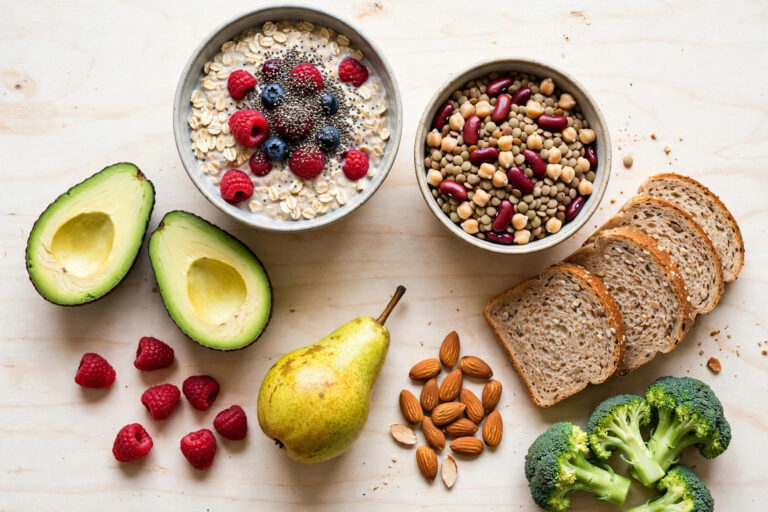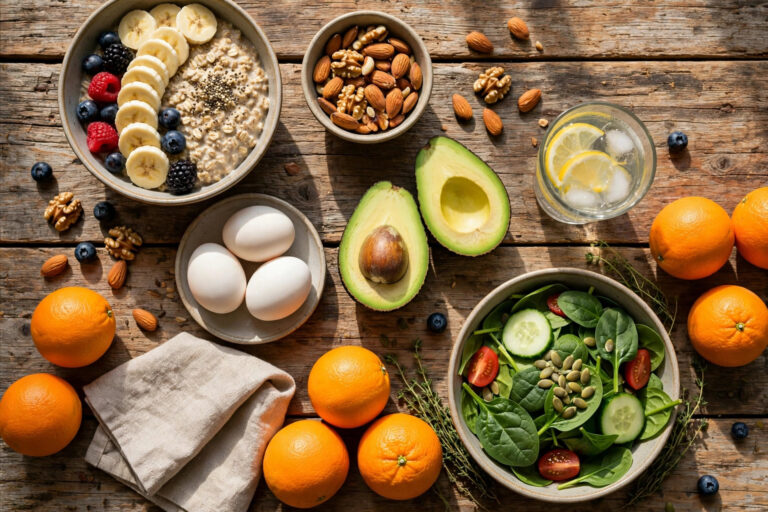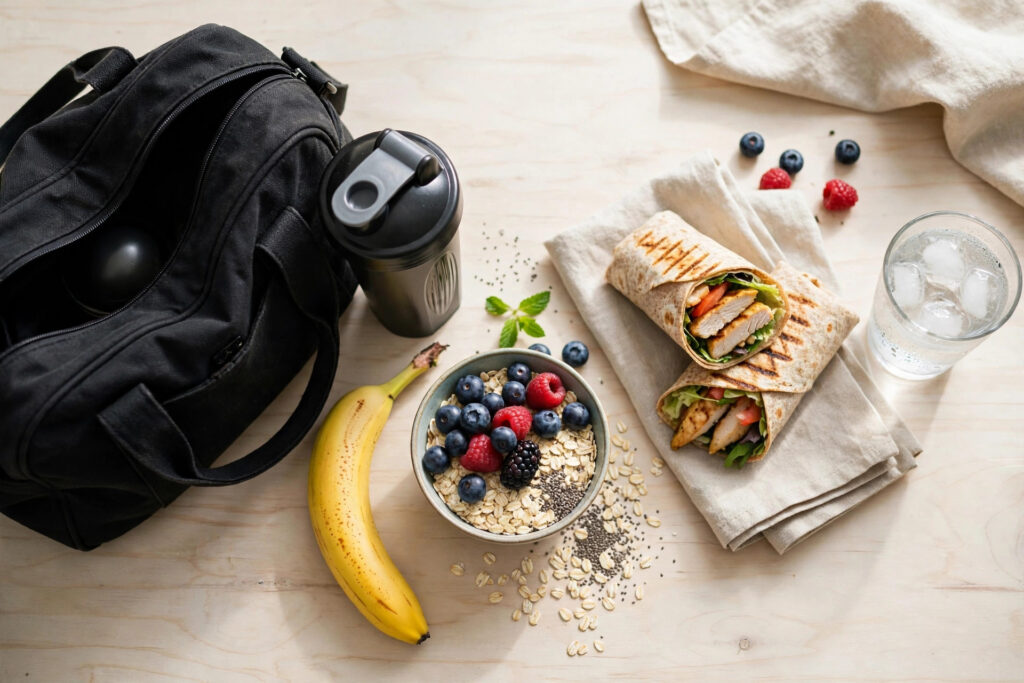
Your trainers are laced up, the music is ready, but there is one question every beginner asks and plenty of regulars still get wrong: what should you eat before and after a workout?
Good news. You don’t need a cupboard full of powders, and you don’t need to eat on a stopwatch. What you do need is simple: some fuel before you train, some recovery food after, and enough water throughout. The details matter a little, but not nearly as much as the supplement industry would like you to believe.
One honest caveat first: there is no single perfect answer. What you need depends on the time of day, how hard and how long you train, and what your goals are. But the principles below work for nearly everyone, from the 6 a.m. jogger to the evening weightlifter.
Why the Food Around Your Workout Actually Matters
Think of your body like a car. Carbs are the petrol. When you exercise, your muscles burn through stored carbohydrate called glycogen. Training hard on an empty tank feels exactly how it sounds: sluggish legs, heavy weights, a session that ends early.
Eating after training matters for the other side of the equation. Exercise creates tiny tears in your muscle fibres, which is normal and how you get stronger. Protein supplies the building blocks (amino acids) your body uses to repair and rebuild those fibres. Carbs after training refill the glycogen stores so tomorrow’s session doesn’t suffer.
None of this means one snack will make or break your progress. Your total diet across the whole day is what truly counts. But getting the meals around your workout roughly right is one of the easiest wins in fitness.
What to Eat Before a Workout
The ideal pre-workout meal has a simple formula: carbs first, a bit of protein, and low fat and fibre.
Carbs are the star because they top up your glycogen and keep your blood sugar steady while you train. Protein gives your muscles a head start on repair. Fat and fibre are healthy, but they slow down digestion, which is the last thing you want when you are about to run or lift. A heavy, greasy meal an hour before the gym is a recipe for nausea.
How close to training you eat matters more than exactly what you eat:
| Time before training | What to eat | Example |
|---|---|---|
| 3+ hours | A full, balanced meal | Chicken, rice and vegetables |
| 1.5–2 hours | A smaller mixed meal | Oats with banana and peanut butter |
| 30–60 minutes | A light, carb-rich snack | Banana with yoghurt, or toast with jam |
| Under 20 minutes | Liquids only | A smoothie or a shake with fruit |
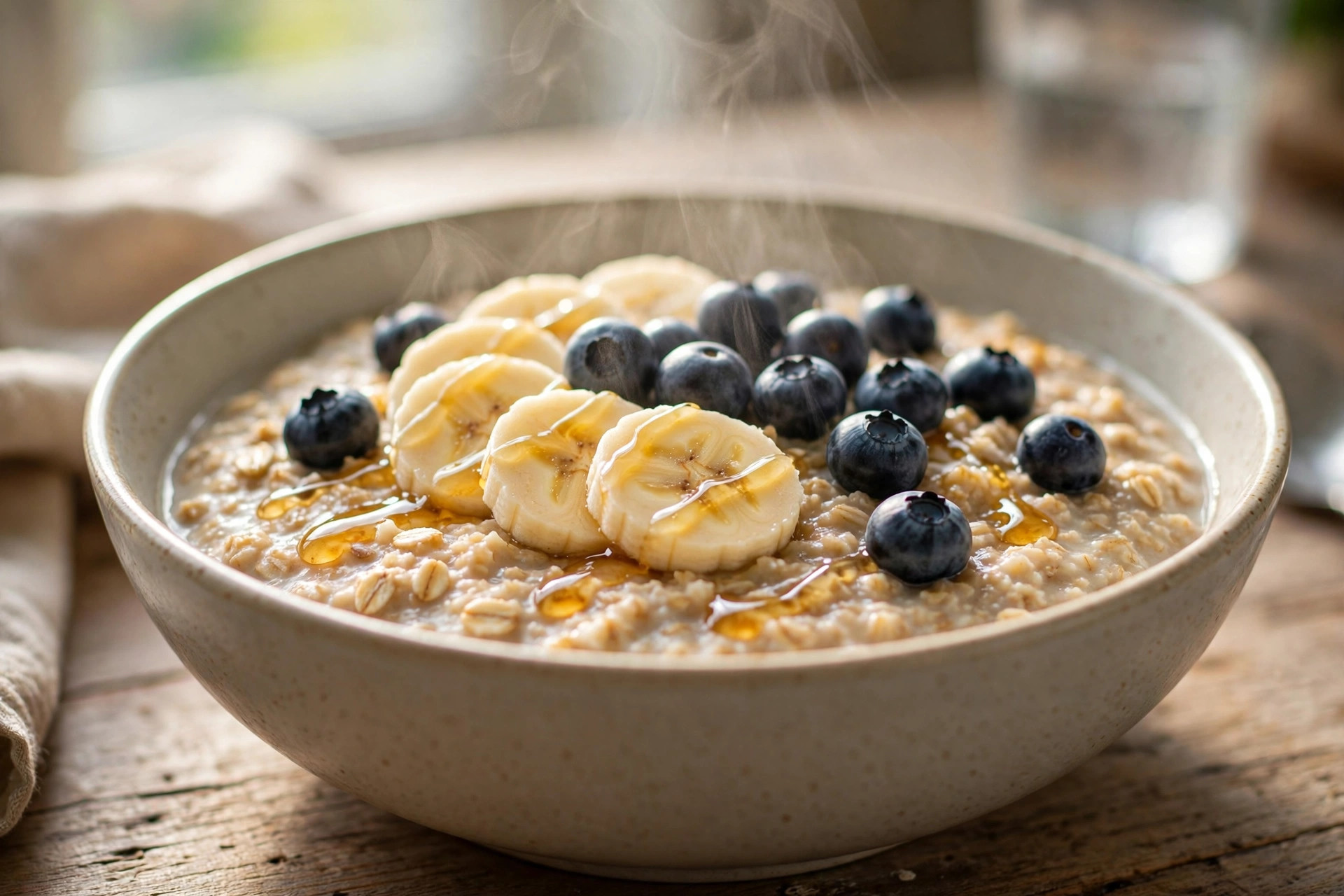
Need quick ideas you can actually stick to? Try these:
- Porridge with sliced banana and a drizzle of honey (great 1–2 hours before)
- Toast with peanut butter and half a banana (30–60 minutes before)
- Rice cakes with jam or a small fruit smoothie (30 minutes before)
- A pot of yoghurt with berries (45–60 minutes before)
- A handful of dates or dried fruit (15–20 minutes before, when you need something fast)
If you train regularly and want the bigger picture of how to eat around your routine, our diet for gym goers guide builds on all of this.
What to Eat After a Workout
After training, your job is to recover: refill glycogen, supply protein for repair, and replace fluids. Aim for 20 to 40 grams of protein in the meal, paired with a solid portion of carbs. The International Society of Sports Nutrition recommends 1.4 to 2.0 g of protein per kilo of body weight per day for active people, spread across the day in 20 to 40 g servings (ISSN protein position stand, 2017).
You don’t need to drown yourself in protein either. A large 2018 meta-analysis of 49 trials found that going beyond roughly 1.6 g of protein per kilo per day added no further muscle gains (Morton et al., British Journal of Sports Medicine, 2018). Total daily protein is the lever that moves the needle, not one giant shake.
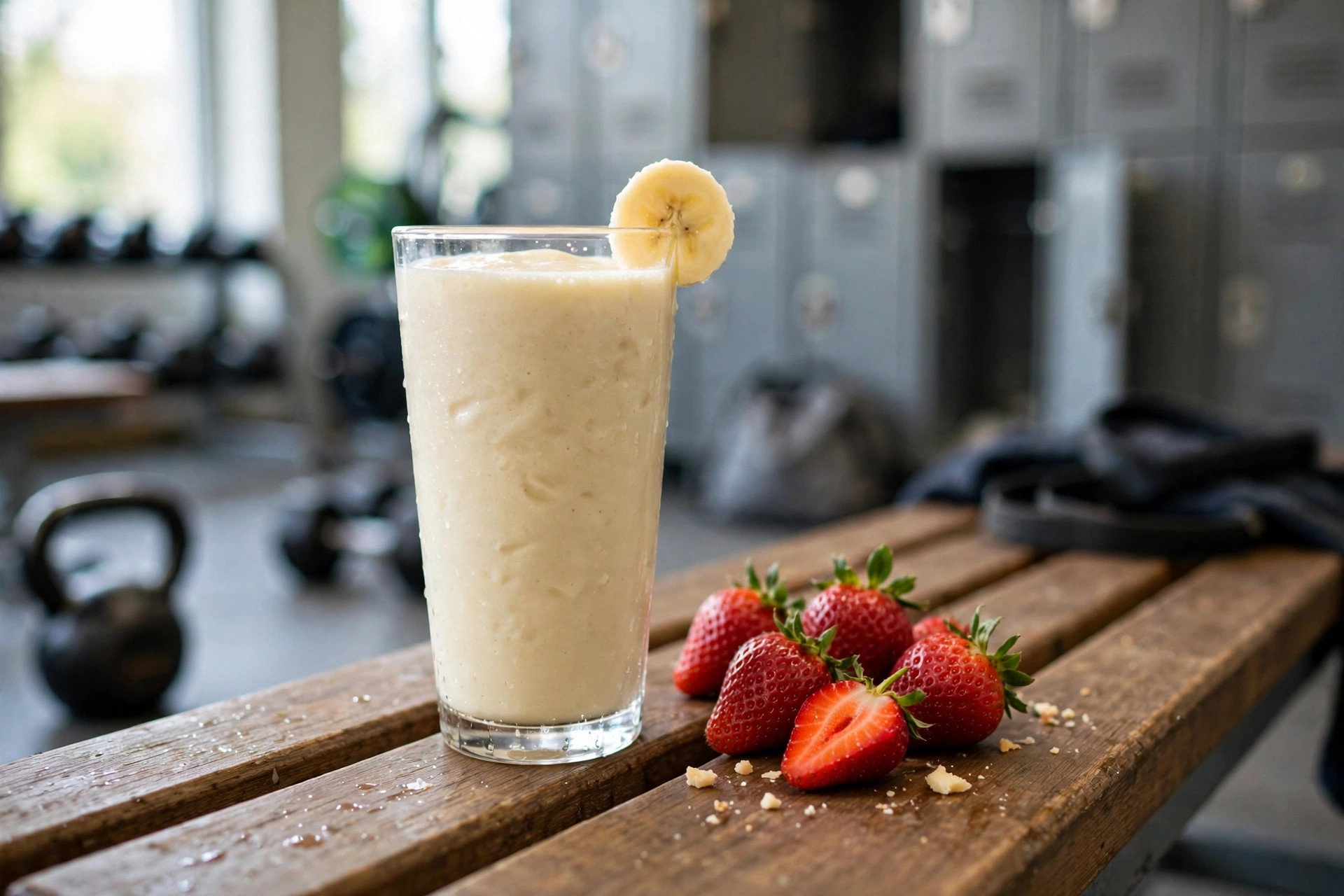
Good post-workout meals and snacks include:
- A protein shake with a banana or berries (fast and easy)
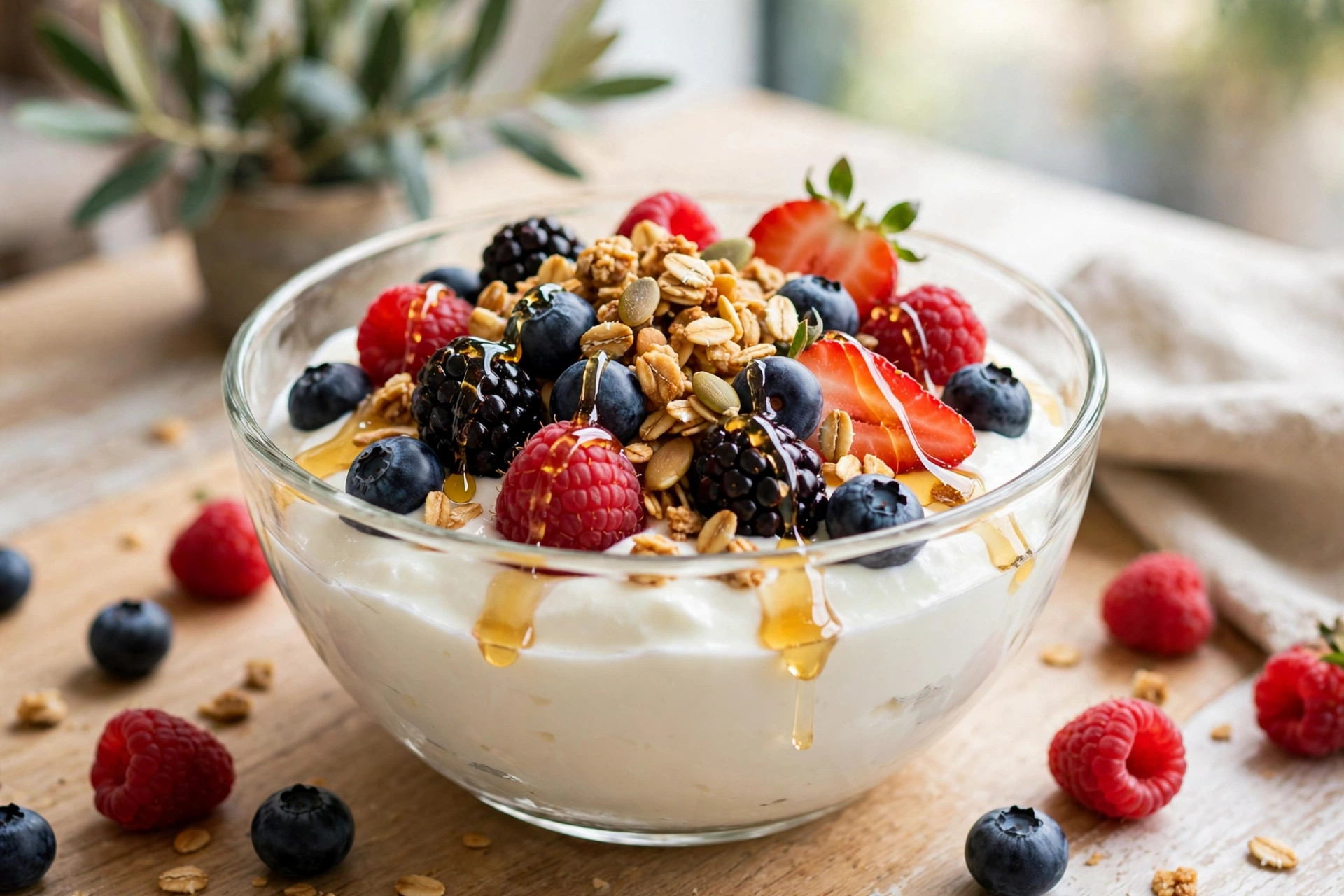
- Greek yoghurt with granola and mixed berries
- Grilled chicken or fish with rice and vegetables
- Scrambled eggs or an omelette on wholegrain toast
- Dal with rice, or a lentil and vegetable stew
- A tuna or chicken sandwich on wholegrain bread
For more high-protein options from real food, see our list of the best sources of protein.
The “30-Minute Anabolic Window” Is Mostly a Myth
You may have heard that you must eat within 30 minutes of your last rep or the workout was wasted. Relax. The ISSN’s review of the research concludes that the muscle-building effect of a workout lasts at least 24 hours, and benefits come from having protein both before and after training, not from sprinting to the shaker bottle.
A sensible rule: eat within about two hours after training. If you had a proper meal 1 to 3 hours before your session, your body still has amino acids circulating, so there is genuinely no rush. The only time timing gets tighter is if you trained completely fasted for a long session. Then eating within an hour genuinely helps recovery, because your glycogen and amino acid stores are both running low.
Don’t Forget the Water Bottle
Hydration is the most underrated part of workout nutrition. Even mild dehydration can sap your energy and focus, and you will sweat out far more fluid than you think, even in winter.
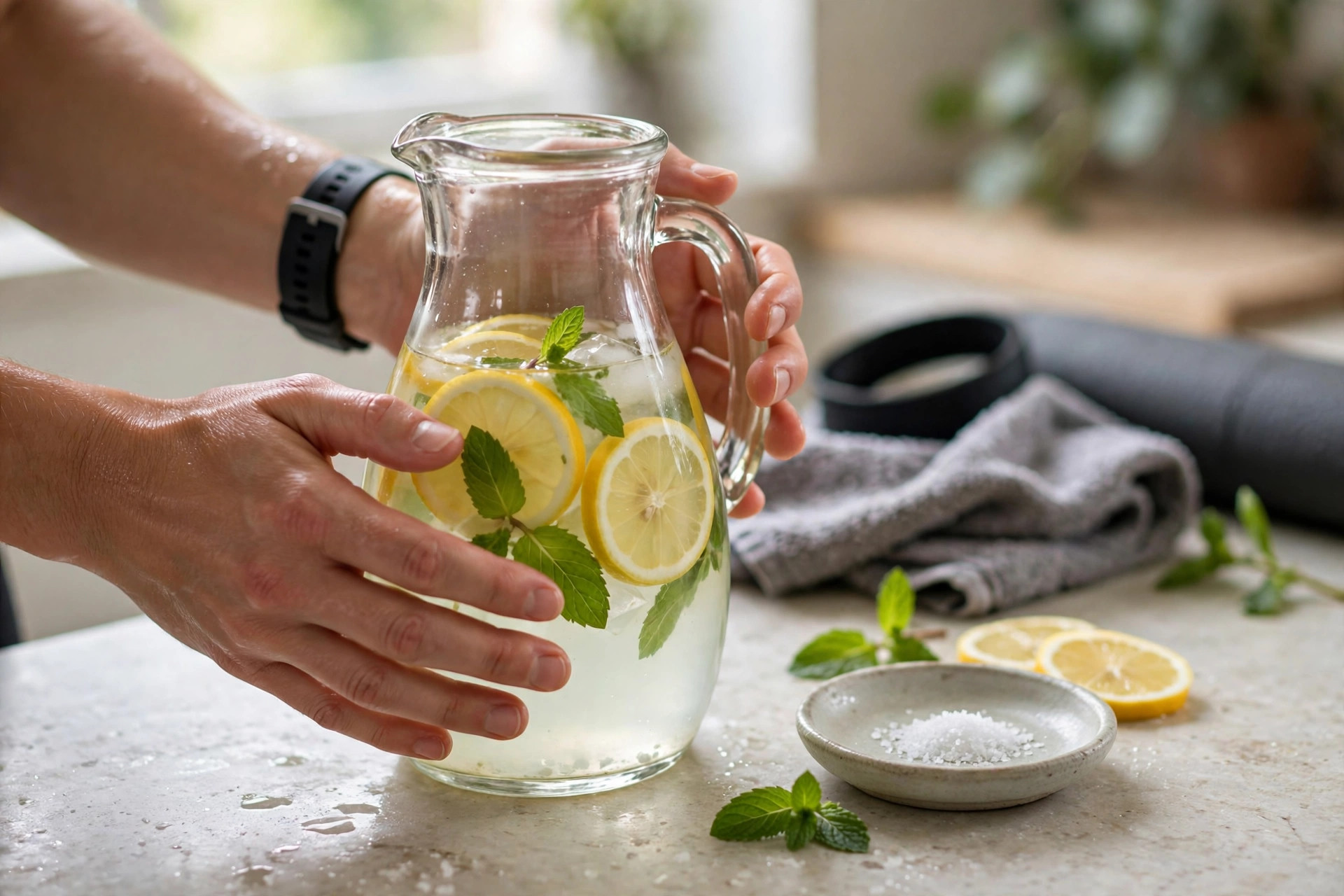
For most sessions under an hour, plain water sipped before, during and after is all you need. For longer or very sweaty sessions, electrolytes (mainly sodium and potassium) matter. You don’t need an expensive sports drink: dilute some fruit juice with water and add a pinch of salt, and you have a homemade version that costs almost nothing.
Foods to Avoid Right Before (and After) Your Workout
A few honest don’ts:
- Heavy, greasy meals within two hours of training — they sit in your stomach and slow you down.
- Very high-fibre foods like beans and lentils right before a workout — great nutrition, bad timing (bloating).
- Huge amounts of sugar, including “energy” drinks — the crash usually arrives mid-session.
- Alcohol before or after training — it wrecks recovery, hydration and sleep in one go.
- The fast-food “reward” right after the gym — one treat won’t ruin anything, but making it a habit quietly cancels out the work you just did.
A Simple Workout-Day Eating Plan
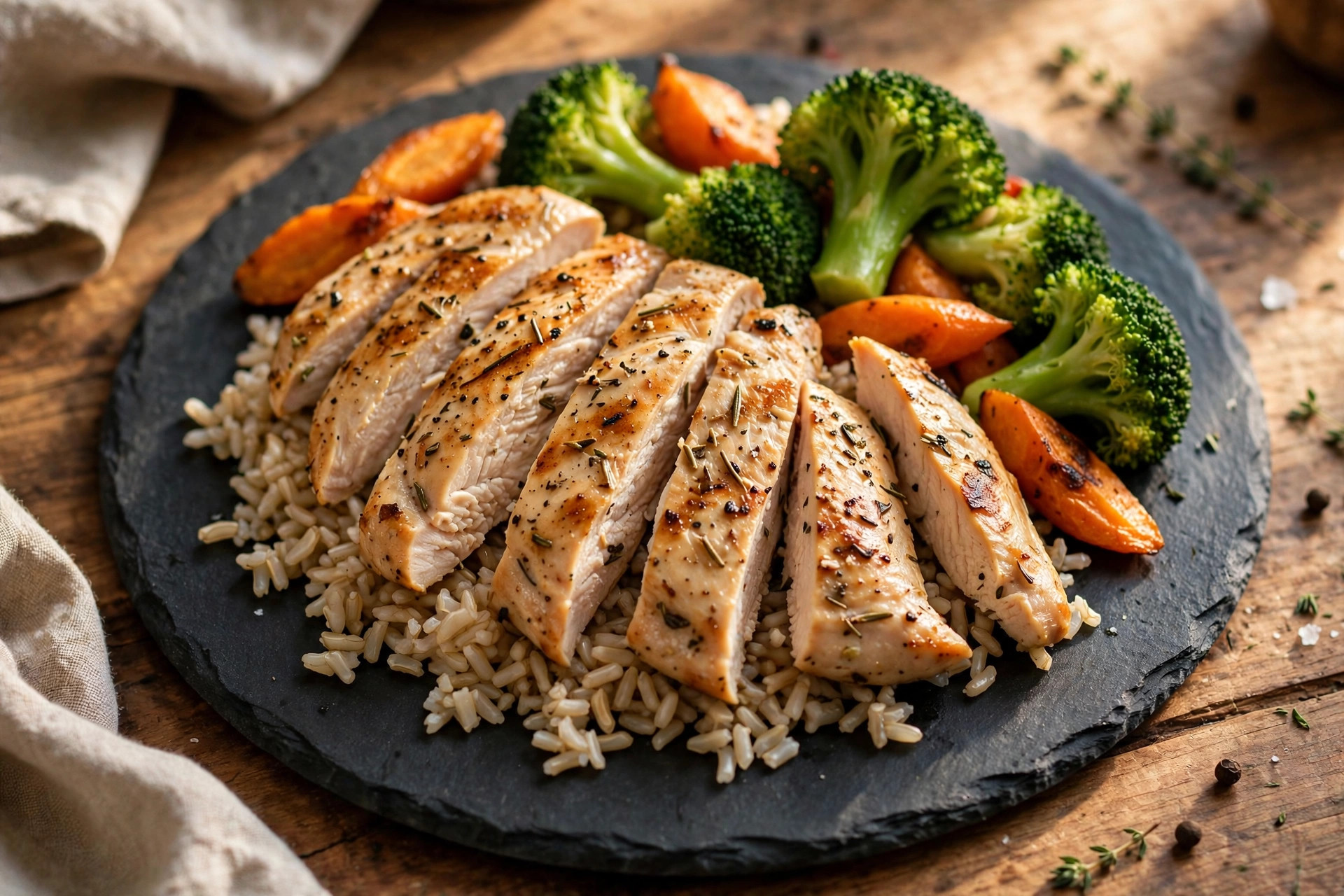
Put it all together and a training day can look very ordinary. If you train in the evening, for example: a normal lunch at 1 p.m., a banana with peanut butter at 4 p.m., train at 5:30 p.m., then dinner at 7:30 p.m. with grilled chicken, brown rice and vegetables.
Morning exercisers can do the same in reverse: a light carb-rich snack when you wake up, train, then a proper protein-and-carb breakfast after. The pattern is what matters, not the clock.
And that really is the whole plan: carbs and a little protein before you train, protein and carbs after, and water all the way through. Hit your daily protein target, don’t obsess over the stopwatch, and choose foods you actually enjoy so the habit sticks.
Disclaimer: This article is for general information only and is not medical advice. If you have a health condition such as diabetes, high blood pressure, or a kidney or heart condition, speak to your doctor or a registered dietitian before changing how you eat around exercise.