You can train hard five days a week and still see nothing change in the mirror. Most of the time, the reason is not your workout — it is what you eat around it. Your muscles are challenged in the gym, but they are built in the kitchen. This article breaks down exactly what gym goers should eat, how much, and when — in plain words, no fitness-jargon lecture.
Why What You Eat Decides Half Your Results
When you lift weights or run hard, you create tiny damage in your muscle fibres and burn through stored energy. Your body then needs two things: building material (protein) to repair the fibres, and fuel (carbohydrates) to refill its energy stores. If either is missing, recovery slows, strength stalls, and you feel tired all the time.
Food also decides your energy levels during the session itself. Training on an empty stomach or on junk food is like driving a car with a nearly empty tank — it might start, but it will not take you far. Get the eating right, and the same workout suddenly feels easier and delivers more.
Protein: How Much You Actually Need
Protein is the headline nutrient for anyone who trains. It supplies the amino acids your body uses to repair and grow muscle after every session.
How much do you need? The International Society of Sports Nutrition’s 2017 position stand says most exercising individuals do well on 1.4–2.0 grams of protein per kilogram of body weight per day. So if you weigh 70 kg, that is roughly 98–140 grams of protein daily — far more than the 50-odd grams a non-active person needs, but nowhere near the crazy numbers some supplement ads push.
A few practical rules make this easy:
- Aim for 20–40 grams of protein per meal, spread across the day. Your body uses it better this way than in one giant protein-loaded dinner.
- Eat protein-rich food every 3–4 hours. The ISSN paper notes that even spacing works best for muscle repair.
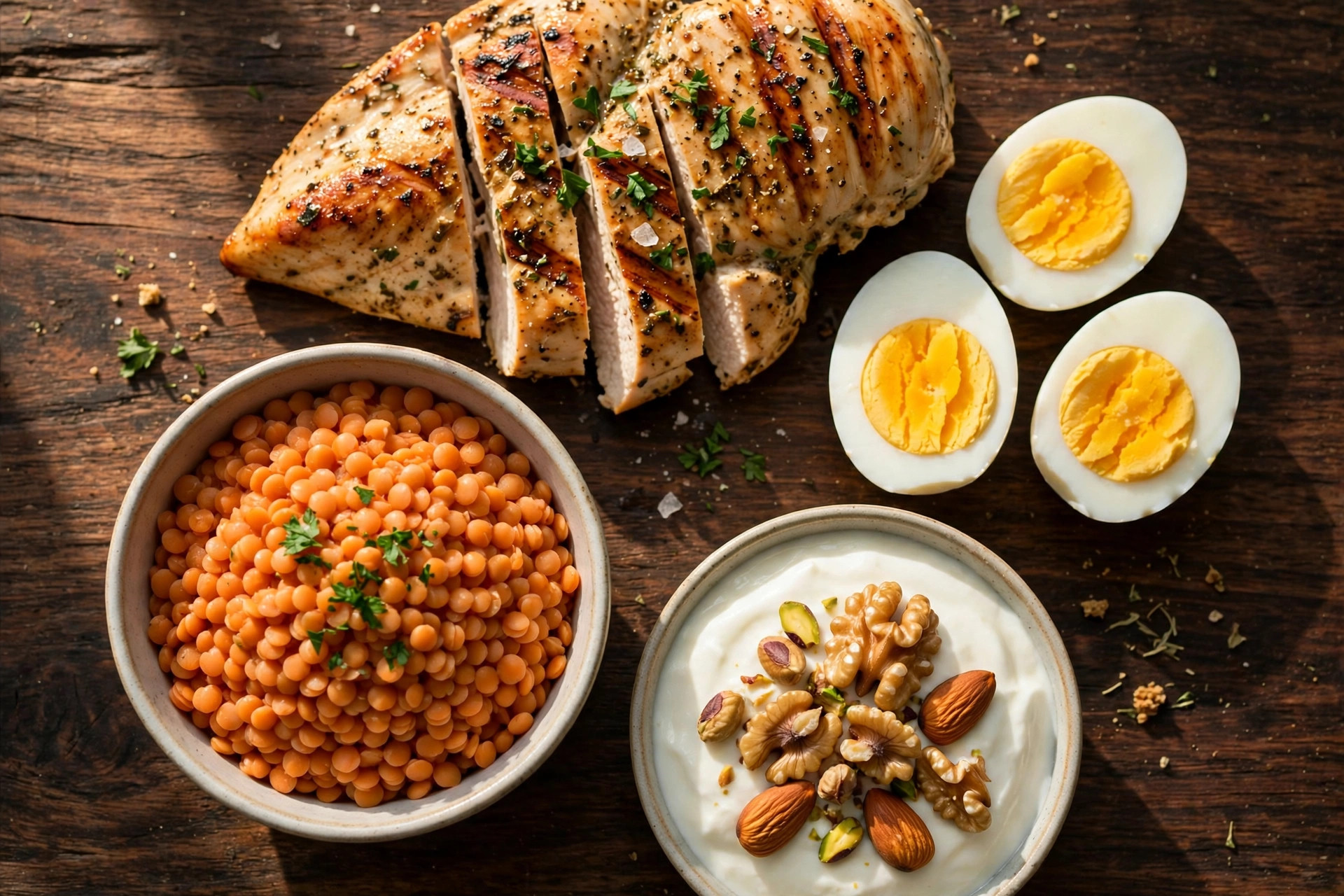
- You do not need powders to hit your target. Chicken breast, fish, eggs, Greek yogurt, milk, lentils, chickpeas, tofu, and nuts all get you there. If you want a deeper rundown of options, our list of the best sources of protein breaks it down food by food.
One honest note: eating more protein than the range above does not keep building more muscle. Studies show the extra gets burned for energy or stored, and it can crowd out the carbs you actually need for training. More is not always better — enough is.
Carbs Are Your Workout Fuel
Here is the nutrient gym culture loves to hate, and it is the one you can least afford to skip. Carbohydrates are your body’s preferred fuel during exercise. Your muscles store them as glycogen, and hard training drains those stores fast.
When glycogen runs low, your sets feel heavier, your focus drops, and you quit earlier than you should. That is why lifters on very low-carb diets often report flat, lifeless workouts. You do not need to fear carbs — you need to pick the right ones.
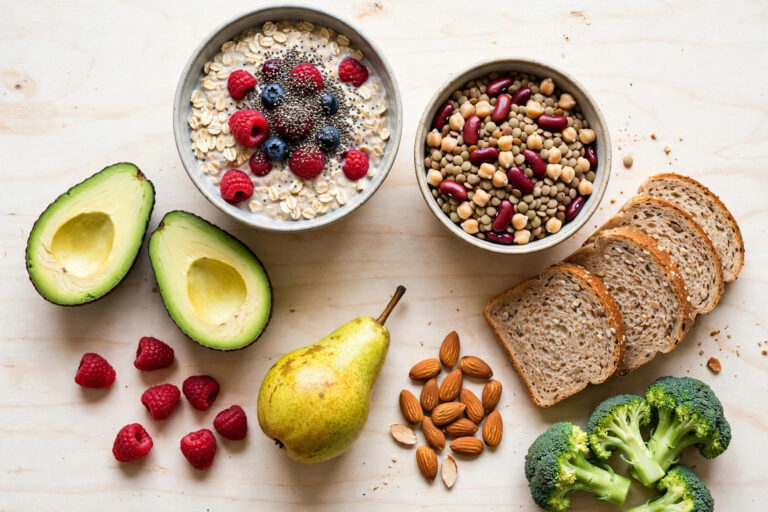
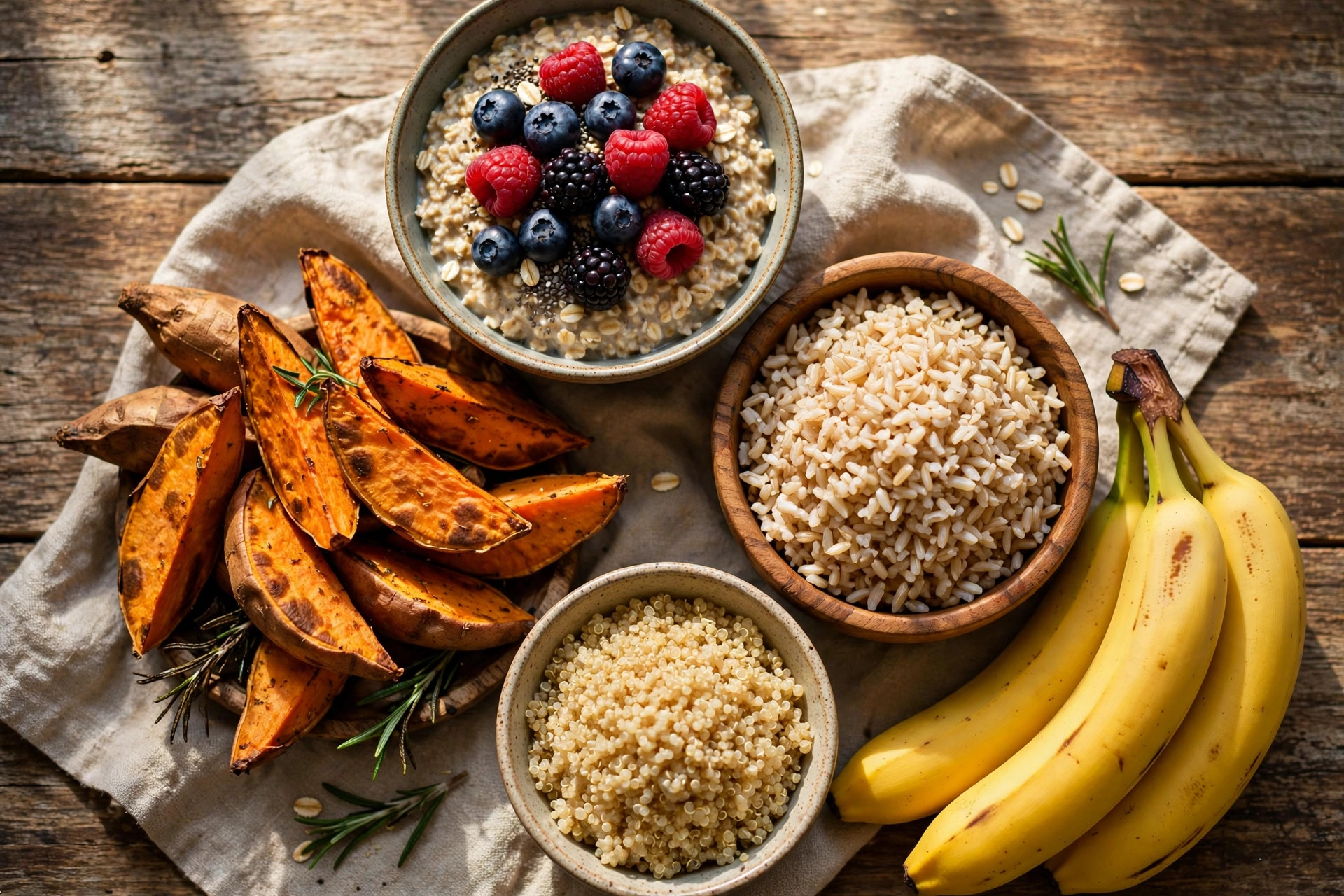
Go for complex, slow-digesting carbs at most meals: oats, brown rice, quinoa, whole-grain bread, sweet potatoes, lentils, and fruit. They release energy steadily instead of spiking and crashing your blood sugar. If you train in the evenings and sometimes run out of steam, the advice in our piece on what to eat when you feel low on energy pairs well with everything here.
How much? Active people generally do well on 3–5 grams of carbs per kilogram per day. A 70 kg gym goer needs around 210–350 grams — that is a normal, generous amount of rice, roti, oats, and fruit, not a mountain of pasta.
Fats, Water, and the Minerals Lifters Forget
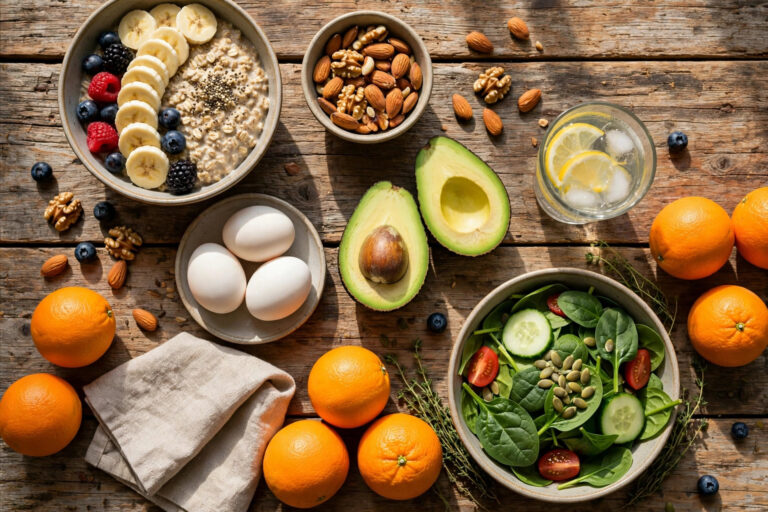
Fat will not make you fat — eating too many calories overall does that. Healthy fats support the hormones that drive muscle growth and recovery, keep your joints happy, and help you absorb vitamins. Keep them moderate, around 0.5–1 gram per kilogram per day, and choose the good ones: olive oil, nuts, seeds, avocados, and oily fish like salmon.
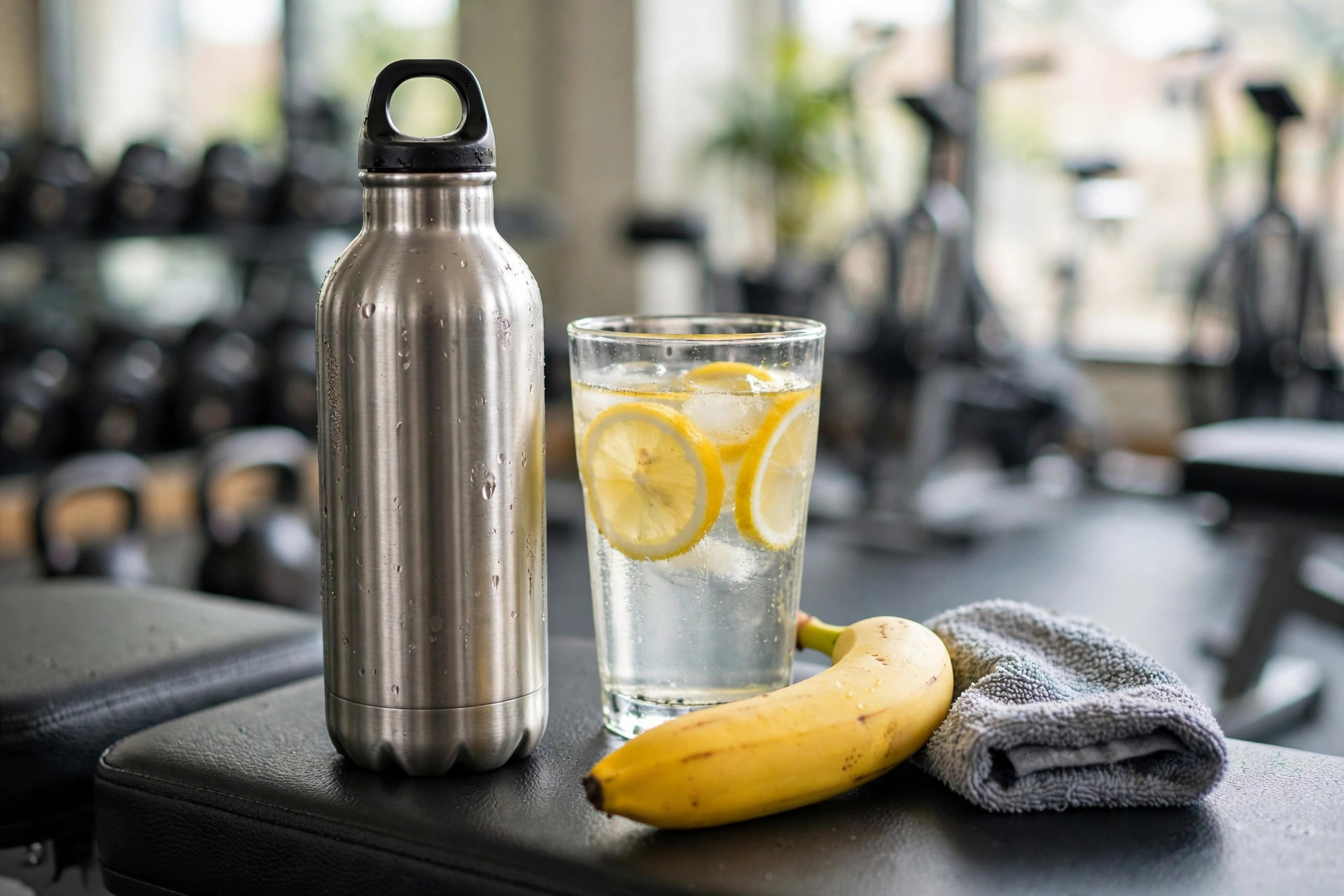
Then there is water, the most ignored “supplement” in the gym. Even mild dehydration — just 2% of body weight lost as sweat — can cut your strength and focus noticeably. Drink steadily through the day, not just during your workout. If you train hard for over an hour or sweat heavily, add electrolytes: a banana, coconut water, or a pinch of salt in your water bottle works fine.
A few minerals deserve special mention for gym goers:
- Iron carries oxygen to your muscles. Low iron means constant fatigue. Meat, lentils, and spinach are good sources.
- Magnesium helps muscles relax and prevents cramps. Nuts, seeds, and whole grains cover you.
- Vitamin D and calcium keep bones strong under heavy lifting. Dairy, fortified plant milks, and some sunlight do the job.
The NHS Eatwell Guide is a solid starting picture of how these food groups should balance on your plate — worth a look at nhsinform.scot.
What to Eat Before and After a Workout
Meal timing will not make or break your progress, but it makes training noticeably more comfortable and recovery smoother.
Before your workout (1–2 hours earlier): eat a normal meal with carbs and some protein — for example, rice with chicken and vegetables, or oats with yogurt and fruit. The carbs top up your glycogen; the protein starts the repair process early. Healthline’s pre-workout nutrition guide offers more meal ideas by timing.
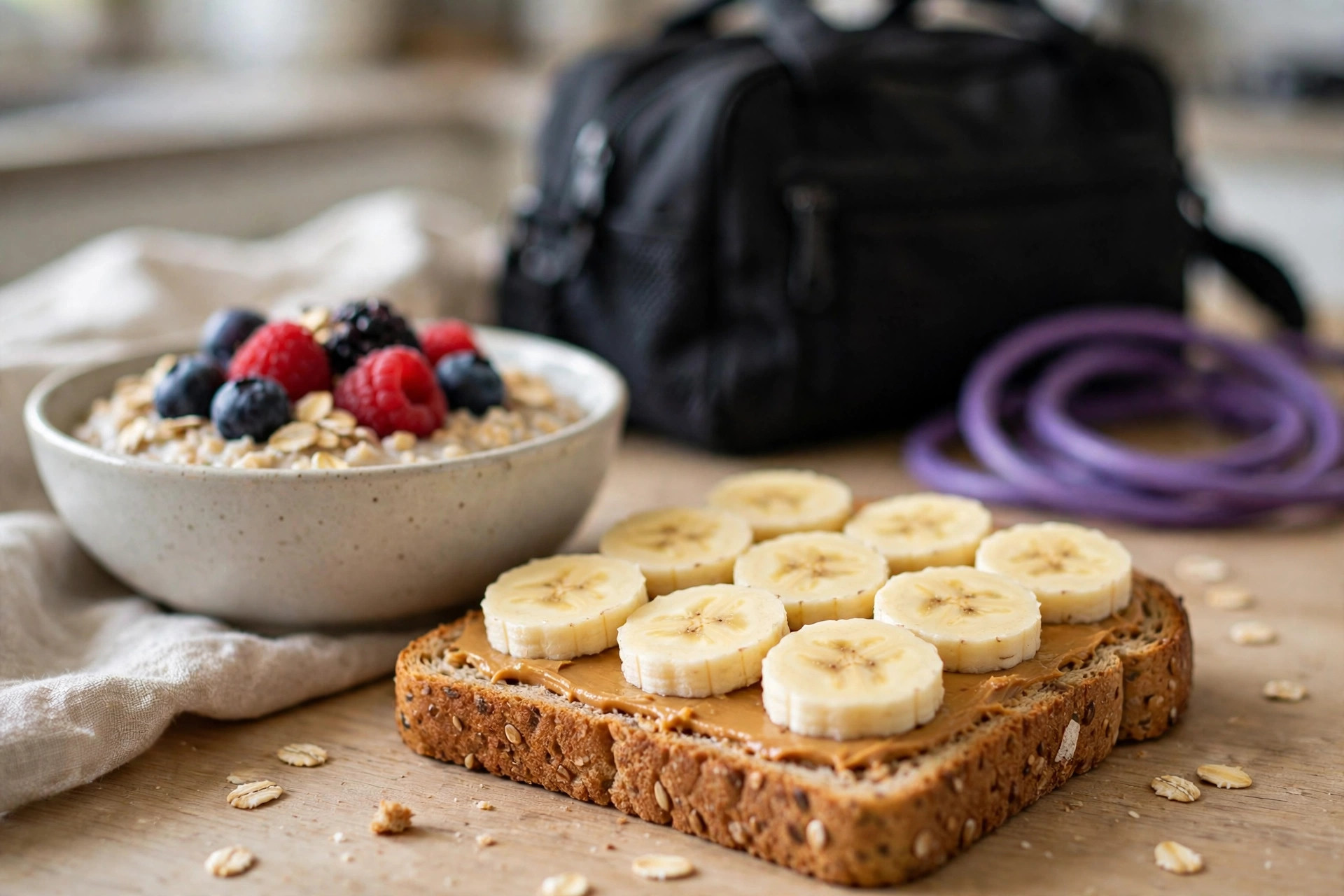
If you only have 30–60 minutes: keep it small and easy to digest. A banana with a spoon of peanut butter, a handful of dates, or a small smoothie works well. Skip high-fat and high-fibre foods right before training — they sit heavy and can cause stomach trouble mid-session.
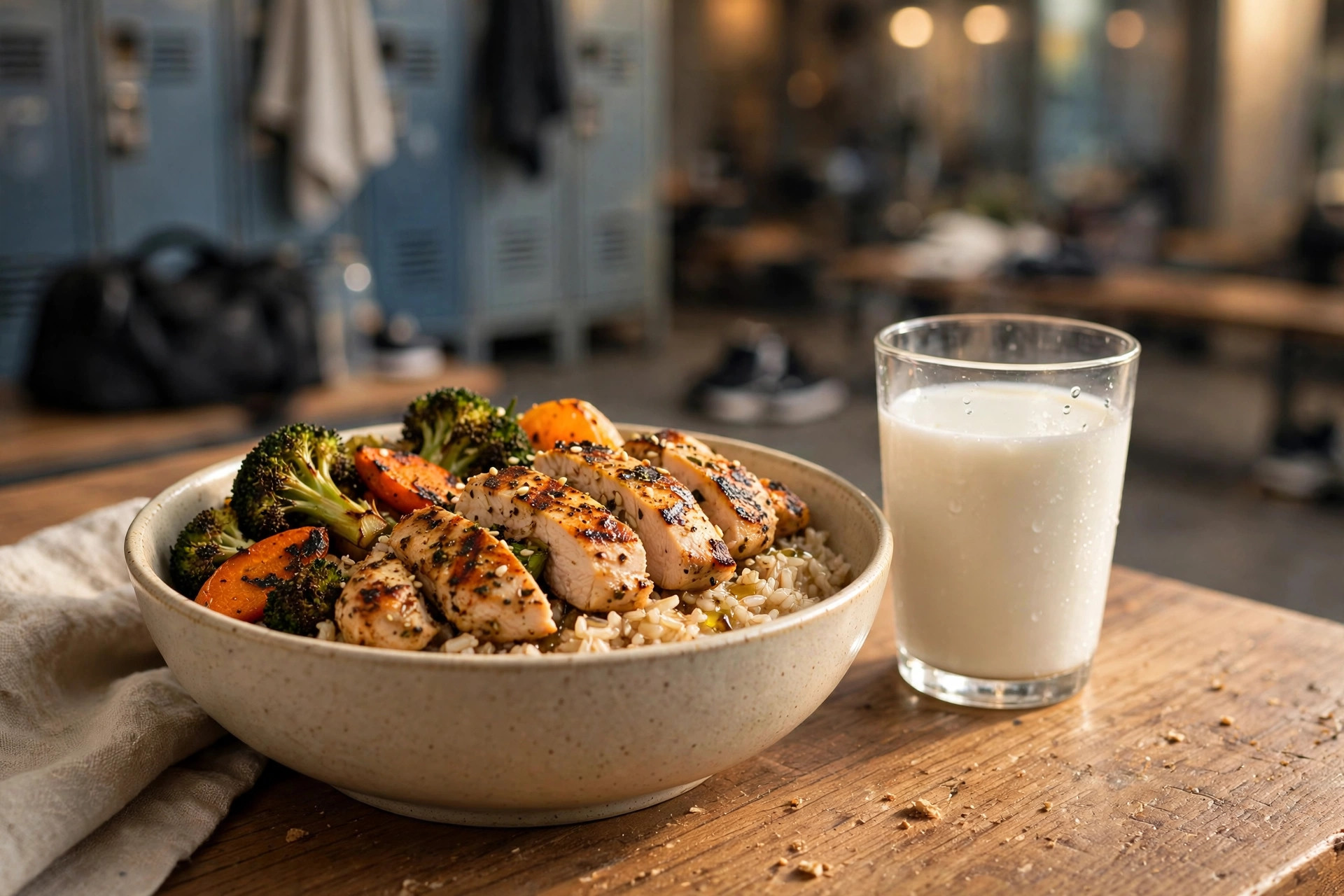
After your workout: eat a meal with both protein and carbs within a couple of hours — chicken with brown rice and vegetables, a salmon and quinoa bowl, or eggs with sweet potato. The protein feeds muscle repair; the carbs refill glycogen.
One myth worth dropping: the “30-minute anabolic window.” Research shows your muscles stay receptive to protein for many hours after training — the ISSN notes the effect lasts at least 24 hours. So yes, eat after your workout, but do not panic if traffic delays your dinner by an hour.
A simple day on a gym diet
| Meal | Example | Why it works |
|---|---|---|
| Breakfast | Oats with milk, banana, and a spoon of peanut butter | Slow carbs + protein to start the day |
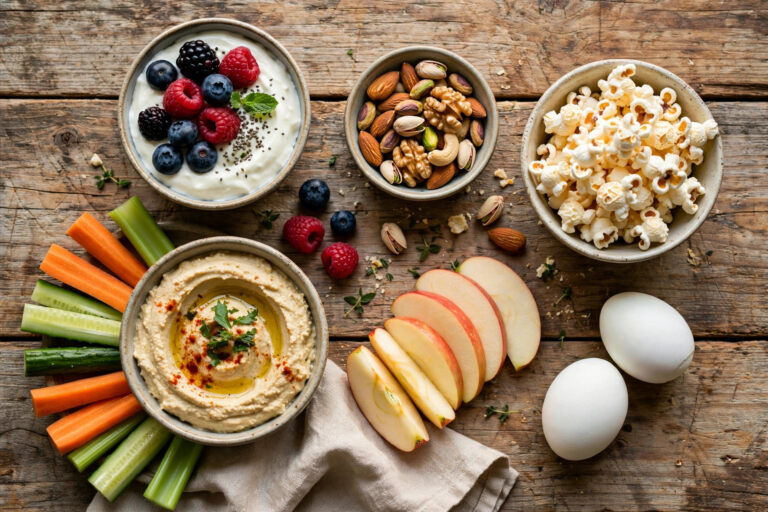
| Mid-morning | Greek yogurt with a handful of almonds | Protein top-up between meals |
| Lunch | Grilled chicken, brown rice, mixed vegetables | The classic balanced training plate |
| Pre-workout (1 hr before) | Toast with peanut butter and honey | Quick, light fuel that digests fast |
| Post-workout dinner | Salmon, sweet potato, steamed broccoli | Protein + carbs + omega-3s for recovery |
| Before bed (optional) | Warm milk or cottage cheese | Slow-digesting protein feeds overnight repair |
Mistakes That Quietly Slow Your Progress
- Skipping meals to “cut faster.” Undereating tanks your energy, slows recovery, and usually ends in binge eating later. Eat enough to train well first.
- Protein only at dinner. Spreading 20–40 grams across 3–4 meals builds more muscle than one giant evening serving.
- Living on sugary drinks and energy drinks. The sugar spike crashes mid-workout, and the calories add up without feeding your muscles anything useful.
- Treating supplements as the plan. Protein powder is convenient, not magical. It helps only if your overall diet is already solid.
- Ignoring sleep and alcohol. Poor sleep and regular drinking both wreck recovery and hormone balance — no meal plan can outrun them.
Disclaimer: This article is general information, not medical advice. Everyone’s needs differ based on health conditions, medications, and goals. If you have diabetes, kidney issues, heart problems, or any medical condition, talk to your doctor or a registered dietitian before changing your diet.