It is 3 in the afternoon. Your eyelids feel heavy, your brain feels slow, and the nearest sofa is calling your name. Before you reach for a chocolate bar or your third coffee, know this: what you eat is one of the fastest levers you can pull to fix low energy. Not tomorrow. Today.
Your body runs on the fuel you give it. Give it the right food, and it gives you steady, reliable energy. Give it sugar bombs and skipped meals, and you get the crash-and-crave cycle instead. Here is how to eat your way back to feeling like yourself again.
Why You Feel Low on Energy in the First Place
Tiredness is not one thing. Sometimes it is poor sleep. Sometimes it is stress. And very often, it is your fuel supply letting you down.
Every meal you eat gets broken down into glucose (your body’s favourite quick fuel), amino acids, and fatty acids. Eat foods that release glucose slowly, and your energy stays level for hours. Eat foods that dump sugar into your blood all at once, and you get a spike, then a crash that leaves you more tired than before.
Mild dehydration can also masquerade as fatigue. So can running low on iron, B vitamins, or magnesium. None of this means food fixes everything — the NHS advises seeing a GP if you have felt tired for weeks without a clear reason — but food is a powerful place to start.
Start Your Morning Right: Breakfasts That Power You
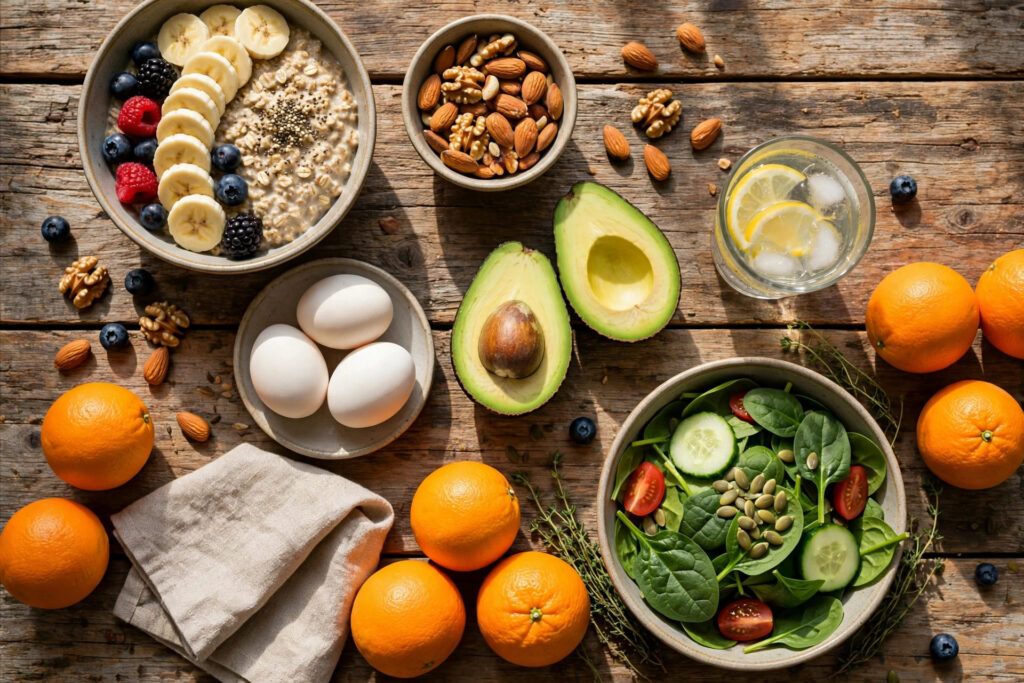
Skipping breakfast is one of the easiest ways to start the day running on empty. Your body has gone all night without fuel, and a proper breakfast tops the tank back up. The trick is to pair slow carbs with protein and a little healthy fat, so your energy releases gradually instead of spiking.
Try these combos:
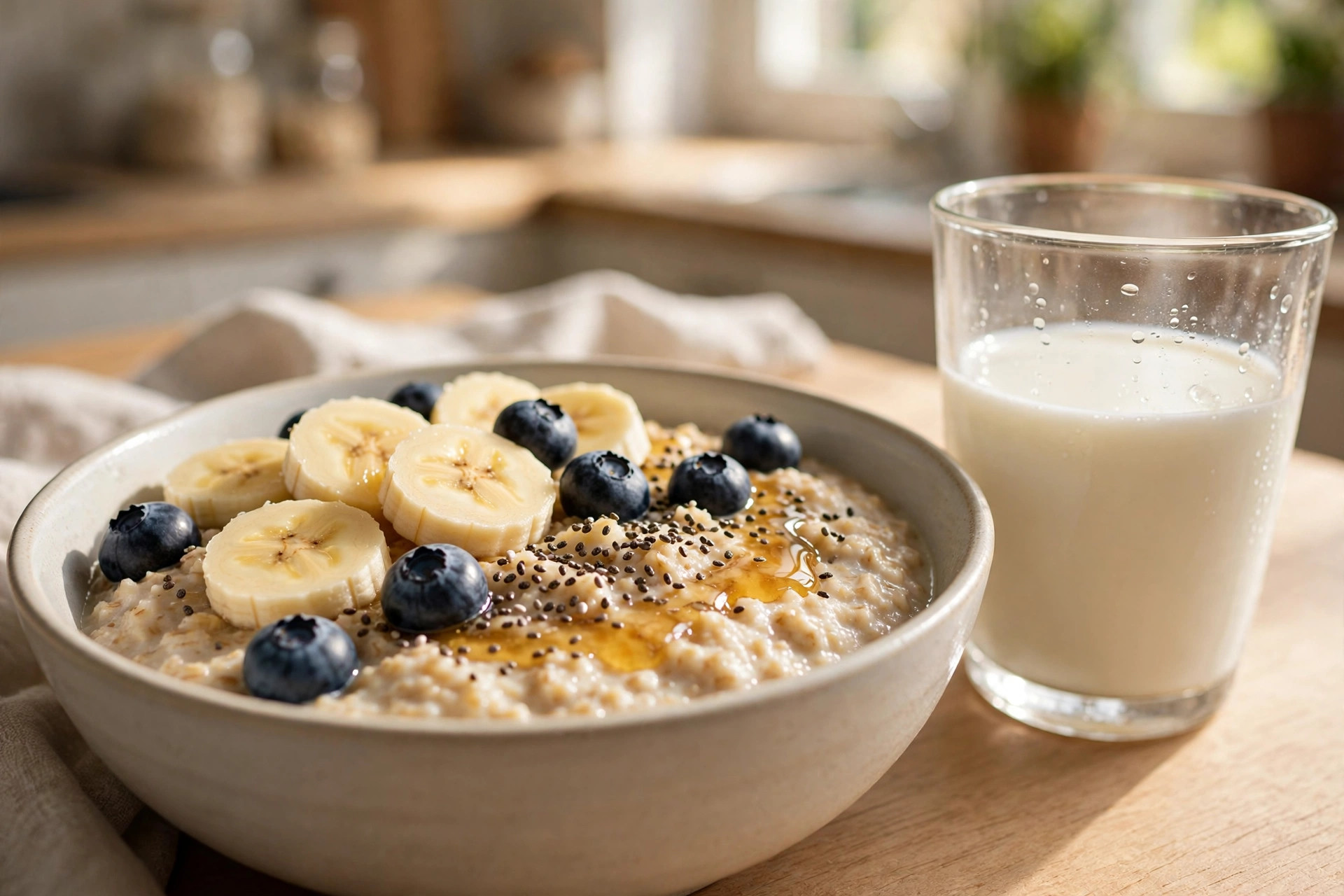
- Porridge made with plain oats, topped with banana slices, berries, and a spoonful of peanut butter.
- Two boiled or scrambled eggs on wholegrain toast with avocado.
- Greek yoghurt with a handful of walnuts and a drizzle of honey.
Oats deserve a special mention. They are rich in fibre and contain a little protein, which helps keep your blood sugar steady for hours. Whole oats — like rolled or steel-cut — are better than sugary instant sachets, which can cause the very spikes you want to avoid.
Slow-Burn Foods That Keep You Going All Day
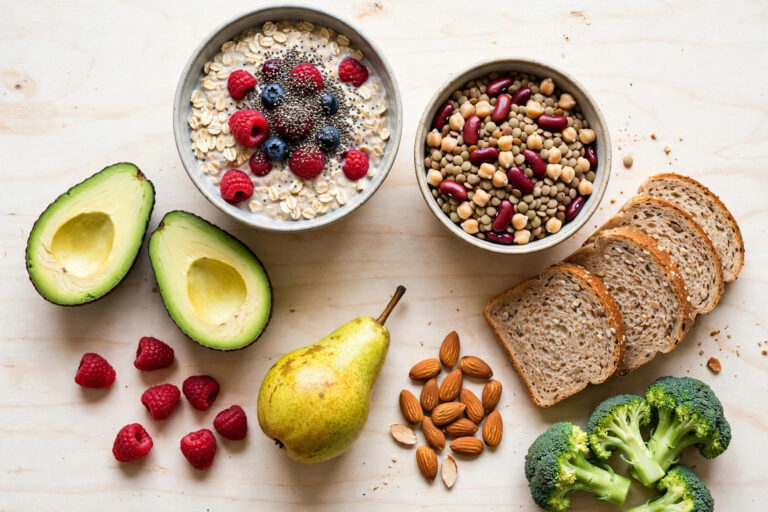
Think of complex carbohydrates as slow-burning logs on a fire. They take longer to digest, so they feed you energy gradually instead of in one burst. Sweet potatoes are a great pick — packed with fibre, vitamin C, and beta-carotene, and kinder to your blood sugar than white potatoes. Brown rice and quinoa bring fibre plus B vitamins, which help your body turn food into energy. And lentils, chickpeas, and beans are the triple threat: slow carbs, plant protein, and fibre in one cheap, filling package.
A simple rule that works: build each meal around a slow carb, add some protein, and finish with vegetables or fruit. A lunch of brown rice, grilled chicken, and roasted vegetables will carry you much further than a white-bread sandwich eaten on the run.
The Nutrient Crew: Iron, B Vitamins, and Magnesium
Sometimes tiredness is not about calories at all — it is about missing nutrients. These three are the ones most worth knowing:
| Nutrient | What it does for your energy | Where to get it |
|---|---|---|
| Iron | Carries oxygen in your blood; low iron causes anaemia and heavy fatigue | Spinach, lentils, lean red meat, fortified cereals |
| B vitamins (esp. B12 and folate) | Help your cells turn food into usable fuel | Eggs, dairy, whole grains, leafy greens, fish |
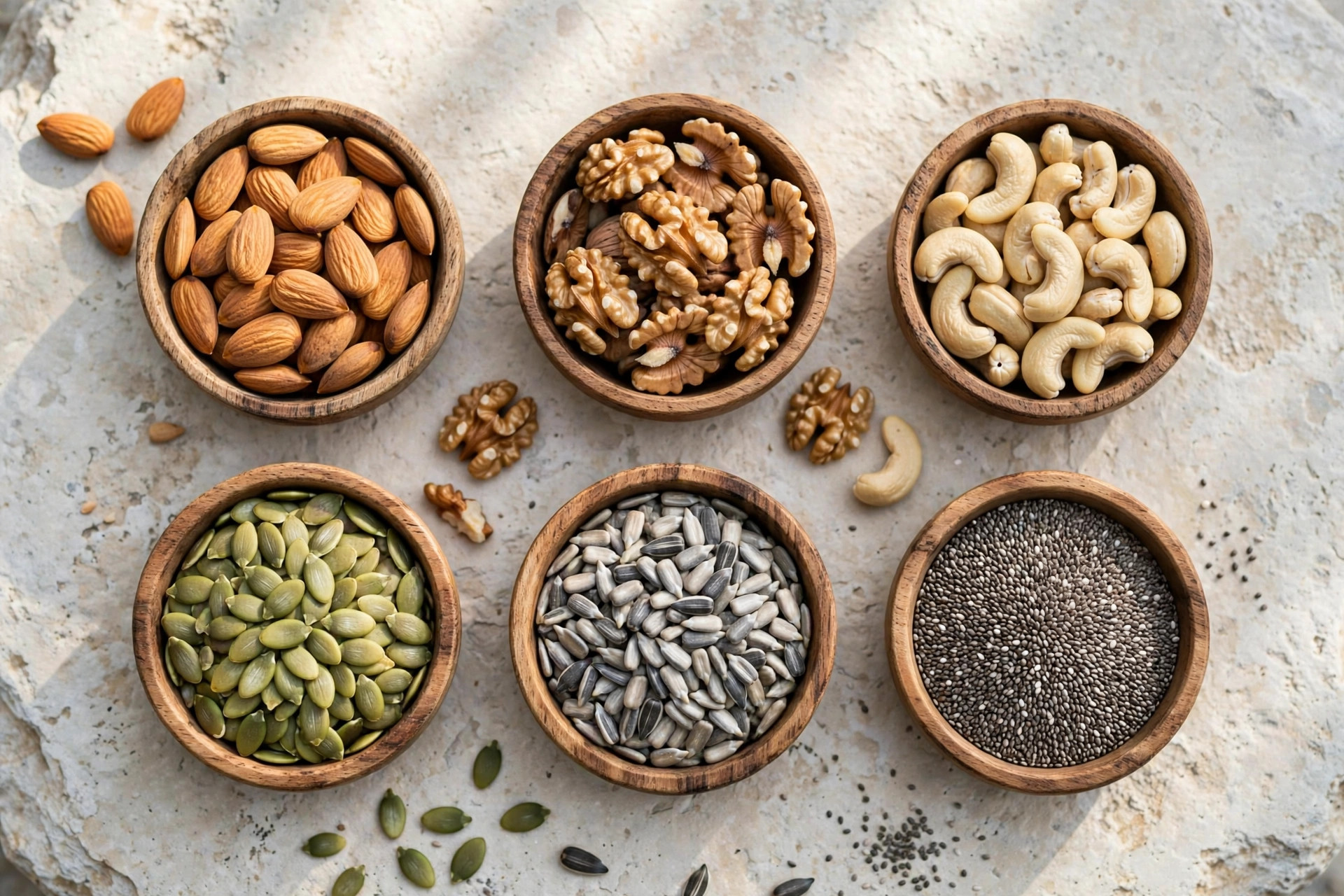
| Magnesium | Involved in hundreds of energy-making reactions in your body | Almonds, pumpkin seeds, dark chocolate, whole grains |
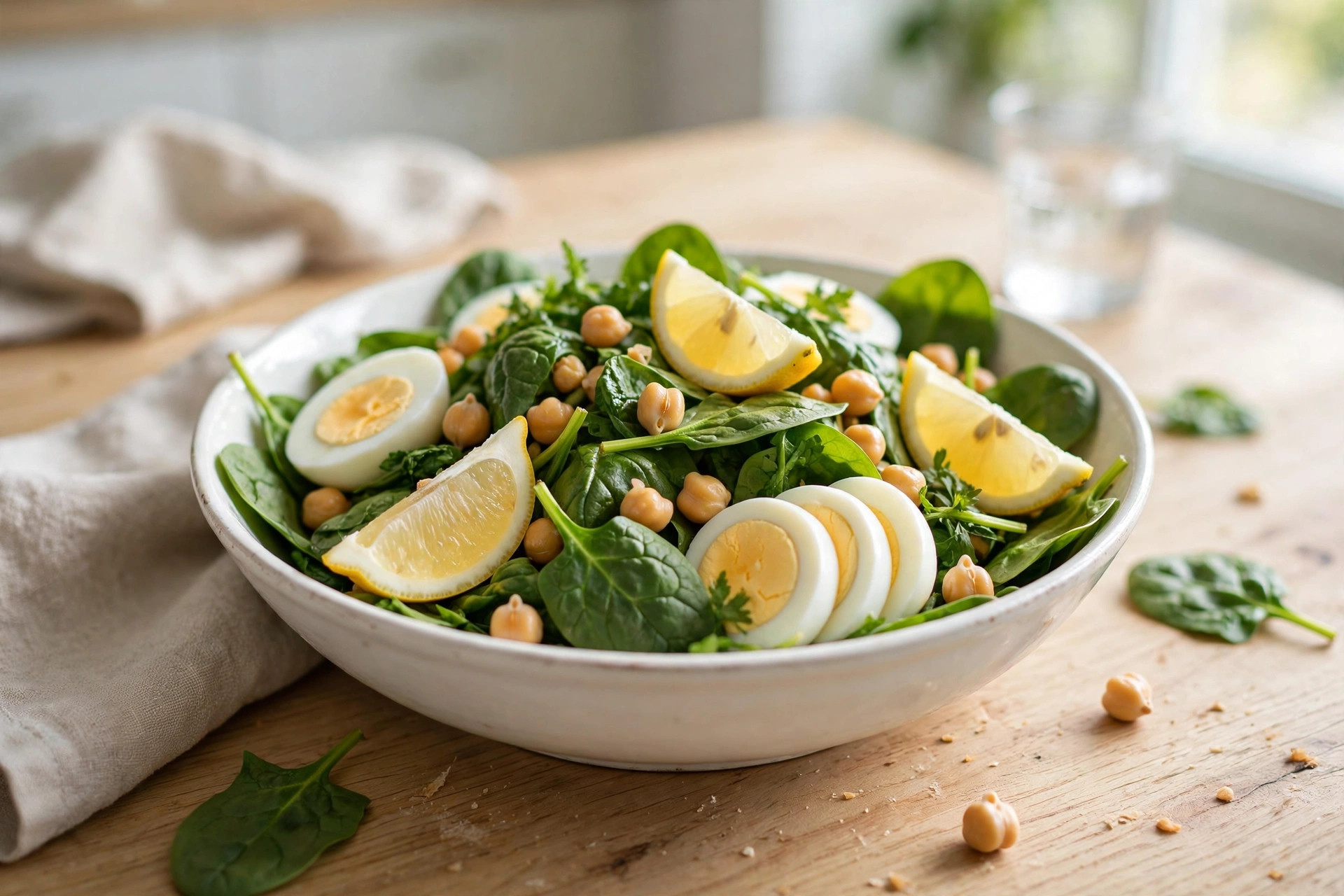
Being low in iron is one of the most common causes of fatigue, especially in women. If you eat mostly plant-based food, pair iron-rich foods with something high in vitamin C — a squeeze of lemon over your spinach, or an orange with your lentil curry — because vitamin C helps your body absorb plant iron. A 2018 study also found that getting enough B12, folate, vitamin C, magnesium, and zinc supported people with chronic fatigue as part of a balanced diet, though it is not proof that supplements alone fix tiredness.
Snacks That Actually Work (Plus Water, the Free Fix)
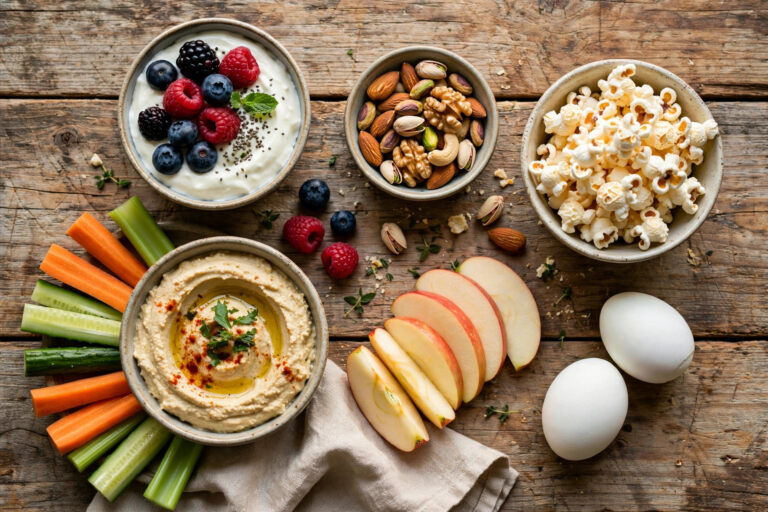
The 4pm slump is usually a snack problem. Most people reach for biscuits or a fizzy drink, which spike and crash. Try these instead:
- A banana plus a small handful of almonds. Bananas are cheap, portable, and full of natural sugars and fibre — and a 2012 study found they fuelled endurance cyclists just as well as a sports drink (though that was athletes, not desk workers, so take it as encouraging rather than gospel).
- Greek yoghurt with berries and a spoonful of chia seeds. Chia seeds add fibre, healthy fats, and staying power — a 2022 review noted their unsaturated fats are a significant energy source for the body.
- Two dates with a tablespoon of peanut butter. Sweet, satisfying, and the fat and protein slow the sugar down.
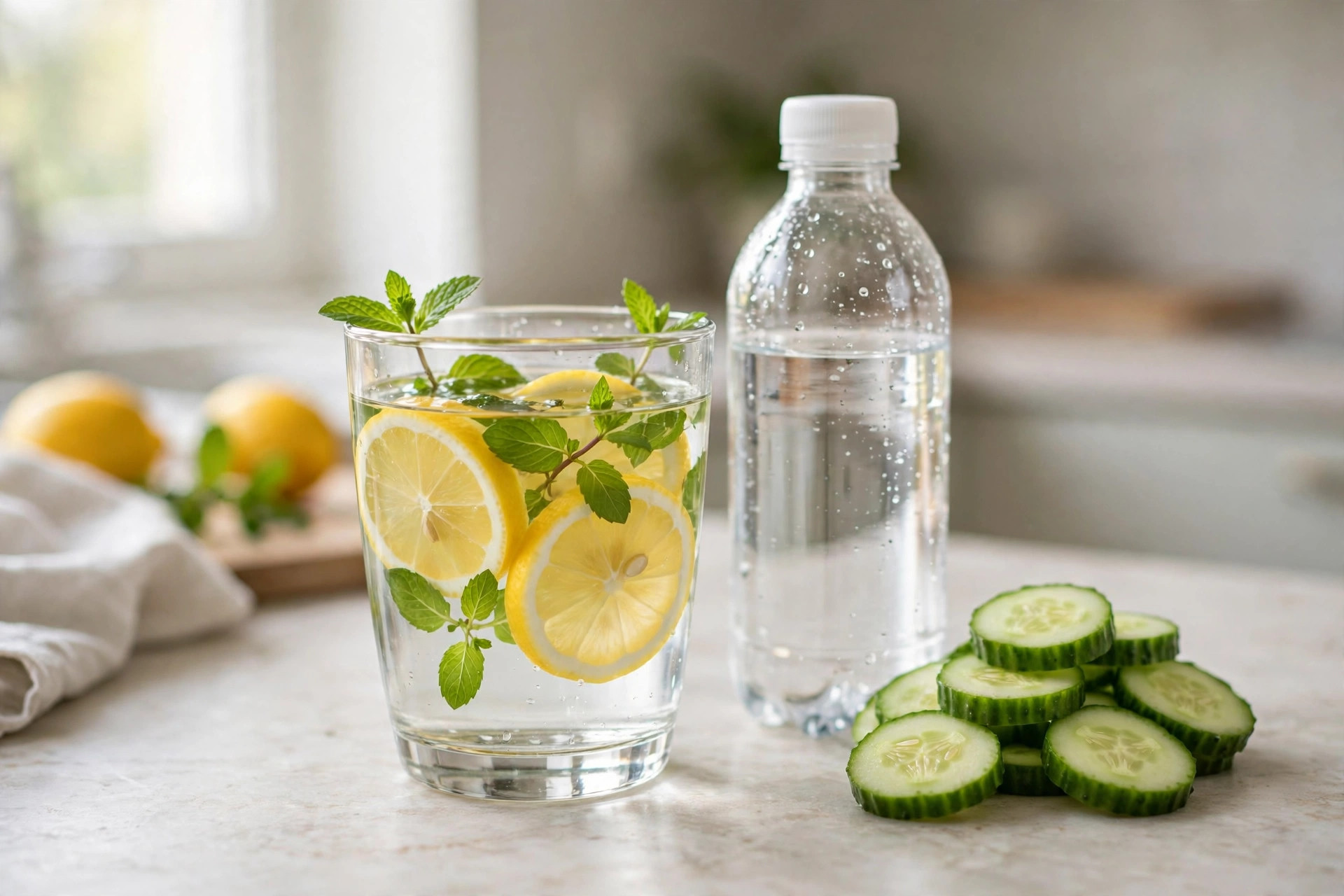
And before any of that, drink a big glass of water. Water carries no calories, yet it runs every energy process in your body, and even mild dehydration can drag you down. The Healthline review of fatigue-fighting foods echoes this: swap sugary drinks for water or unsweetened herbal tea, and see how you feel before deciding you need food.
Foods That Quietly Steal Your Energy
Some foods do not just fail to help — they actively make things worse:
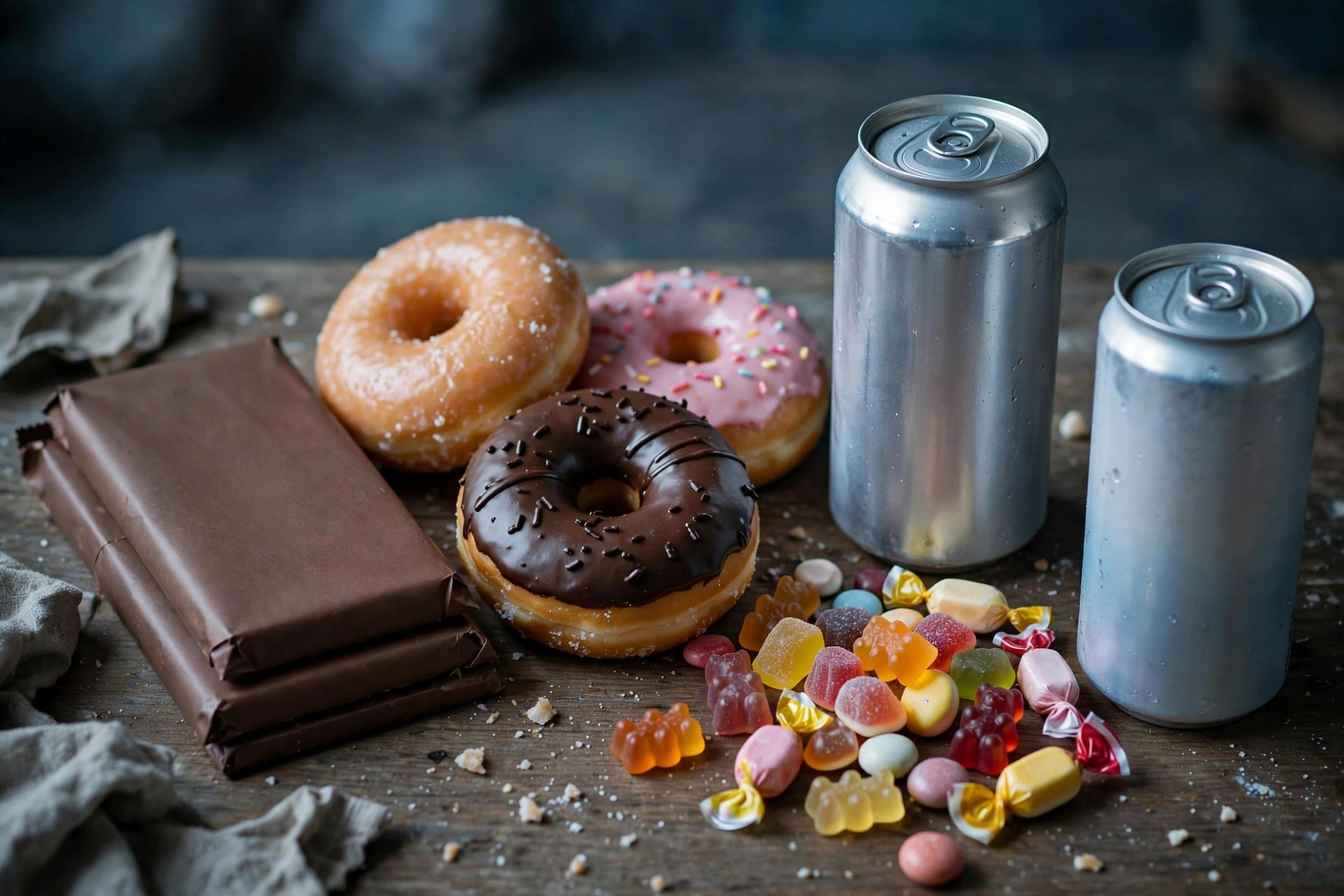
- Sugary snacks and fizzy drinks. The rush wears off fast, and research has linked higher sugar intake to worse fatigue and sleep.
- Energy drinks and heavy caffeine doses. Fine in small amounts for many people, but too much brings crashes, jitters, and ruined sleep.
- Alcohol. It disrupts your sleep architecture, so you wake up groggy even if you nodded off quickly.
- Heavy, greasy takeaways. Burgers and fries take serious effort to digest, which can leave you sluggish for hours.
- Very large meals. Big portions divert energy to digestion; smaller, regular meals keep you steadier.
The pattern is simple: if it is highly processed, very sugary, or eaten in a giant portion, it probably works against you.
Quick Answers to Common Questions
What is the fastest food for low energy?
Something with natural sugars plus fibre, like a banana or a few dates, paired with protein or nuts to avoid a crash. And a glass of water — dehydration fakes fatigue.
Should I eat more often when I feel tired?
Smaller, regular meals every 3 to 4 hours tend to keep energy steadier than one or two big meals. The NHS suggests this pattern for tackling tiredness.
Can diet really fix fatigue?
It can fix the fuel-related part, and that is a big part. But persistent, unexplained tiredness can signal anaemia, thyroid issues, or other conditions. If better eating and sleeping do not help within a couple of weeks, talk to your GP rather than pushing through.
A note before you go: This article is general information, not medical advice. Food can do a lot for your energy, but it cannot diagnose or treat health conditions. If you feel low on energy most days, if it affects your work or relationships, or if you have symptoms like dizziness, hair loss, or unexplained weight changes, see a doctor or a registered dietitian. Your energy is worth a proper check-up.